Dalraida Water Damage & Fire Restoration, Montgomery, Alabama
Dalraida is an established ranch-style Montgomery neighborhood, and its construction — slab-on-grade foundations, aging water heaters and supply lines, and ducted HVAC — shapes the restoration questions that arise. A supply-line failure, a slow roof or plumbing leak, or smoke distributed through the duct system each present distinct water, fire, and moisture assessment considerations. This page describes the restoration assessment work a Dalraida property owner may want evaluated and how to request it. Coverage and timing for this area are confirmed through inquiry rather than assumed from the neighborhood name.
What Dalraida Property Owners Often Evaluate
Dalraida's ranch homes sit largely on slab foundations, and several construction details drive the restoration questions here. Aging water heaters and braided or copper supply lines are a frequent source of sudden water loss; ducted HVAC can carry smoke or condensation across the home; and a slab foundation means a leak can wick along or beneath the slab before it is visible inside. These conditions shape how water, fire, and mold damage are assessed.
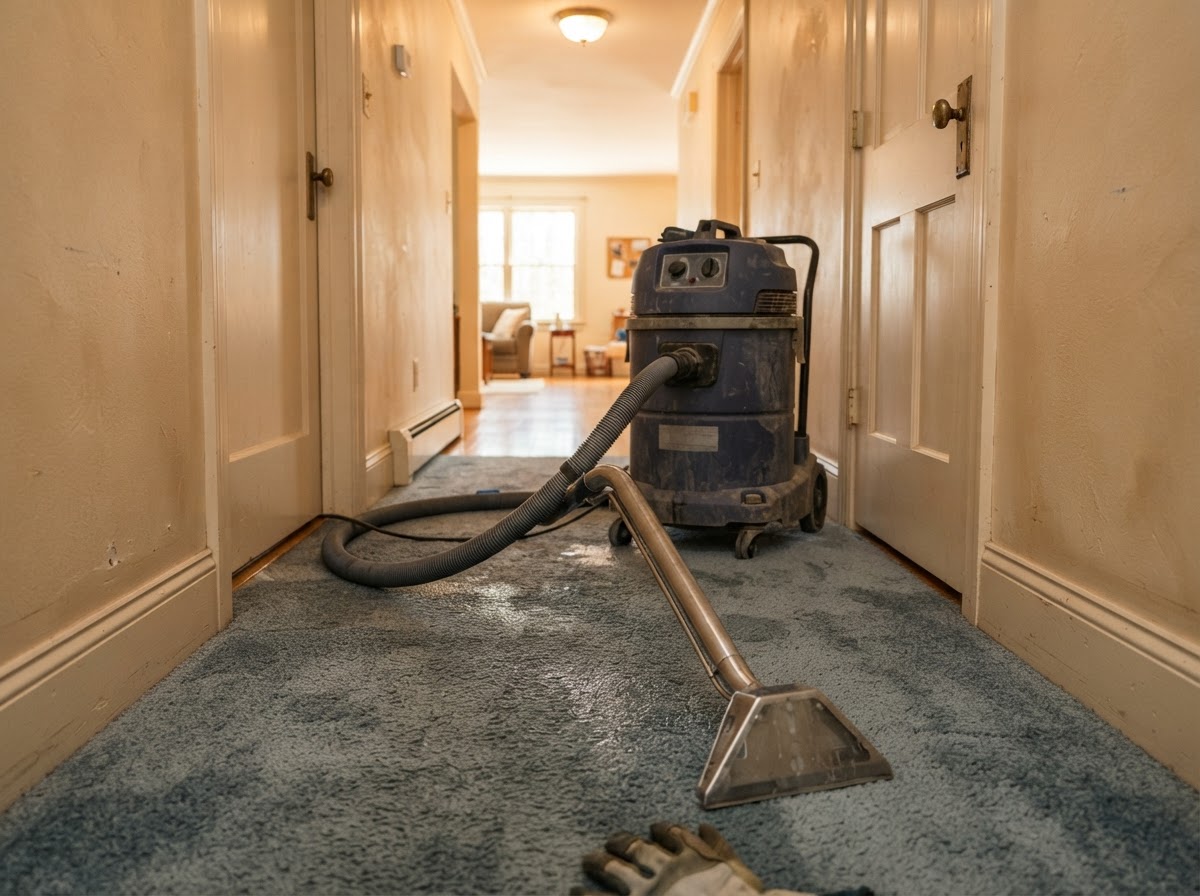
It helps to keep two ideas separate. Water removal — extraction of standing water — is fast and visible. Structural drying is the slower, monitored process of pulling moisture out of wet flooring, baseboards, and framing and confirming with readings that the materials are actually dry. A ranch home can be extracted the same day and still hold moisture under the slab edge or behind baseboards for longer.
Supply-Line Failures and Slab-Edge Moisture
A failed water heater or supply line can flood a ranch home across a slab in minutes. Water extraction addresses the standing water; structural drying is the separate, monitored process of drawing moisture out of carpet and pad, baseboards, and any wall cavities the water reached. On a slab, water can also travel along the foundation edge or beneath flooring before it is visible, so drying targets the materials the water actually reached rather than only the obvious wet areas.
The water heater or supply-line repair is the work of a qualified plumber. We frame the water-damage assessment, extraction, and drying scope — and we do not perform or advertise plumbing repair without verification. Where water has traveled under flooring or along the slab, the assessment helps determine which materials were affected and whether removal is appropriate.
Smoke Through Ducted HVAC
In a ranch home with a central ducted system, smoke from a kitchen or electrical fire can move through the supply and return ducts and settle in rooms far from the fire's origin. Grease, protein, and electrical fires leave different residues, and the wrong cleaning approach can set soot into ceilings and walls. Assessment helps distinguish the residue type and the appropriate cleaning plan, including whether the duct system itself is a consideration.
Smoke odor reduction is separate from surface soot cleaning, and we do not promise complete, permanent odor elimination. Electrical safety after an electrical fire is a matter for a qualified electrician; structural integrity is a matter for a qualified professional. We do not represent odor reduction or cleaning as establishing safe occupancy.
Slow Leaks and Hidden Moisture
Slow roof or plumbing leaks, condensation in the duct system, and the humid Montgomery climate can keep ranch-home wall cavities and closet corners damp long enough for mold to establish before it is visible. Mold assessment is about locating the moisture source and the extent within the affected assembly; remediation is the separate work of removing affected materials, containing the work area, and correcting the underlying moisture condition so it does not return.
We do not identify mold species by color or diagnose health effects. Per CDC guidance, the color of mold does not indicate its hazard, and all mold should be addressed with respect to potential health effects and removal. Controlling the moisture source is the key to controlling mold — cosmetic cleanup alone does not address the underlying condition.
Rental and Small Commercial Properties
Some Dalraida properties include rental units or small commercial space, where a single loss can affect more than one party. Those situations raise documentation, access, and coordination questions that an owner-occupied residence may not, and the scope may need to account for tenant occupancy and shared systems.
We do not imply that every specialized service is available, and we do not advertise biohazard, regulated remediation, or reconstruction capabilities without verification. Where a scope requires a qualified trade or a regulated specialist, the assessment helps identify who needs to be involved.
What Happens When You Request an Assessment
A request lets you describe the issue, the property location, the service category, and the urgency. We review that information under our actual workflow — we do not promise dispatch, a specific inspection time, acceptance, or a same-day appointment until coverage and scheduling are confirmed. An inquiry is a request for contact and assessment, not a confirmed appointment or a guarantee of service.
For a Dalraida address, please provide the street location rather than the neighborhood name. If a water heater, supply line, or the duct system is involved, noting that helps frame the appropriate assessment and whether a plumber or HVAC contractor should be coordinated.
Dalraida Restoration Assessment Questions
Do you have an office or crew in Dalraida?
My water heater leaked across the slab — is drying still needed after the water is gone?
Can smoke from a kitchen fire reach rooms through my ducts?
Who repairs the failed water heater or supply line?
Do you guarantee same-day or 24-hour response in Dalraida?
Can you tell what kind of mold I have from its color?
What should I include when I request an assessment?
Restoration Concerns at a Dalraida Property?
If your Dalraida property has a supply-line failure, smoke distributed through the ducts, or a slow leak you can't trace, tell us the address, what happened, and which systems or materials are involved. We can help frame the appropriate assessment and confirm whether service is available for your location.