Does Homeowners Insurance Cover Water Damage in Montgomery?
In most cases, a standard homeowners policy covers sudden and accidental water damage — such as a burst pipe or an appliance overflow — but frequently excludes gradual leaks, long-term seepage, and groundwater. Flood damage from rising outside water is insured separately through the National Flood Insurance Program. The short answer is that coverage depends on the specific policy, the cause of the loss, and the circumstances. This guide explains the common distinctions, what affects a claim in Montgomery, and why documentation supports a claim without guaranteeing approval. We do not provide public-adjusting or legal services, and we do not promise any coverage outcome.
What the Question Involves
Homeowners insurance is a contract between you and your insurer, and the policy language — not a general rule of thumb — controls what is covered. Two water events that look similar to a homeowner can be treated very differently by a policy. A pipe that bursts suddenly and floods a room is typically a covered peril, while a pipe that has been slowly leaking behind a wall for months is often excluded as gradual damage or maintenance neglect.
Three terms recur in water-damage claims. Sudden and accidental damage happens quickly and unexpectedly. Gradual damage develops over time — a slow leak, seepage, condensation, or wear. Flood damage is rising water from outside the home, including overflowing rivers, creeks, storm runoff, and storm surge, and it is almost always excluded from a standard policy and insured separately.
A useful distinction is between the cause of the water and the resulting damage. A policy may cover the resulting damage from a covered cause even when it does not cover the repair of the source itself — for example, it may pay to dry a room flooded by a burst pipe but not to replace the pipe. The Alabama Department of Insurance notes that most homeowners policies do not cover flood losses and directs property owners to the FEMA Flood Map Service Center to check flood-zone status.
Key Facts and Decision Factors
Several factors shape whether a water-damage claim is likely to be covered. The first is the cause and timing of the loss: sudden and accidental events are generally covered, while gradual leaks, seepage, and long-term moisture are frequently excluded. The second is the source of the water: water from inside the home (plumbing, appliances, a roof leak) is treated differently from rising outside water, which is flood damage insured through the NFIP.
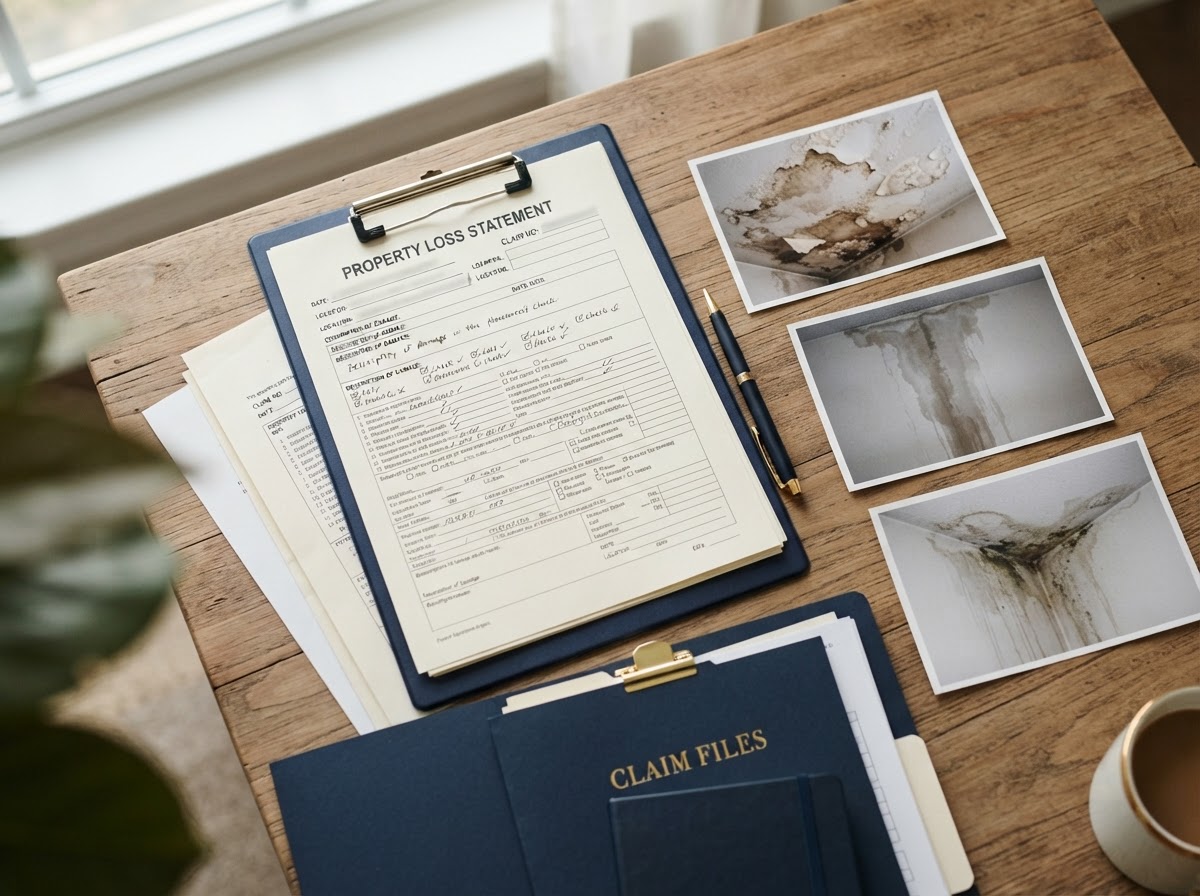
The third is the policy itself: the declarations page, covered perils, exclusions, and any mold endorsement or limit. Many policies cap mold coverage — for example, a limited sub-limit applies when mold results from a covered water loss, while mold from gradual moisture is often excluded entirely. The fourth is documentation: photographs, a written timeline, and an inventory of affected areas support the claim but do not determine the coverage decision, which remains the insurer's under the policy terms.
The fifth is the mitigation duty. Most policies require the policyholder to take reasonable steps to prevent further damage after a loss — for example, stopping the source where safe and arranging drying. Failure to mitigate can affect a claim, but mitigation is also separate from the repair of the source itself, which is typically a plumbing, roofing, or mechanical trade outside any restoration scope.
Practical Property Considerations
A few practical questions help frame a water-damage claim. Was the water event sudden and identifiable, or had it been occurring over time? Where did the water come from — inside the home or rising from outside? Has the source been stopped or repaired, and by whom? What documentation exists, including photographs taken before any mitigation began?
It helps to understand that restoration work and source repair are different activities. Drying a room and removing saturated materials is mitigation and restoration; repairing the burst pipe, the roof leak, or the appliance is the qualified trade. A policy may cover one and not the other. Asking a restoration provider whether it coordinates with the insurer and how it documents scope can clarify what records the claim will need.
We do not recommend that occupants enter standing water near electrical outlets or appliances, attempt to stop a leak near energized equipment, or disturb suspected microbial growth without appropriate safeguards. Where an active leak is suspected, the responsible utility or a qualified trade is the appropriate first contact; a restoration company is not a substitute for emergency response.
Montgomery and Alabama Context
In Montgomery and across Alabama, the Alabama Department of Insurance is the state regulator that oversees insurers and provides consumer information on homeowners coverage, including the common exclusion of flood damage. The Department directs property owners to the FEMA Flood Map Service Center to determine whether a specific property lies in a mapped flood area, because flood-zone status is specific to the property address and not to a whole neighborhood.
Central Alabama's humid climate and thunderstorm activity can contribute to both sudden water events — a storm-driven roof leak or appliance failure — and gradual moisture conditions such as condensation and slow plumbing leaks. The climate does not change the policy terms, but it can make documentation and prompt mitigation more important. We do not claim that every Montgomery property shares the same risk, and we do not invent local damage statistics.
Limitations and Common Misunderstandings
A common misunderstanding is that any water damage is covered. It is not. The cause matters, and gradual damage, seepage, and groundwater are frequent exclusions. Another is that documentation guarantees payment — it does not. Photographs and records support the claim, but the coverage decision depends on the policy and the insurer's determination.
A third misunderstanding is that a restoration company can determine or guarantee coverage. It cannot. Coverage is a decision between the policyholder and the insurer under the policy terms. We do not provide licensed public-adjusting or legal services, and we do not promise coverage, claim approval, reimbursement, or a particular settlement. Where a claim is disputed, the policyholder may need independent professional advice.
A fourth is confusing mitigation with source repair. Drying the property does not repair the leak, and a covered mitigation claim does not necessarily cover the plumbing, roof, or appliance repair that stopped the water. Each is a separate scope and a separate coverage question.
Water-Damage Insurance Questions in Montgomery
Does homeowners insurance cover a burst pipe in Montgomery?
Is a slow, long-term leak covered?
What about flood damage from rising water outside?
Is mold covered after a water loss?
Does documentation guarantee my claim is approved?
Can a restoration company tell me whether my damage is covered?
Do I have to stop the source before drying begins?
Where to Verify These Points
These official resources provide current, authoritative information for the claims above. Requirements and flood-zone status are specific to the property and the applicable jurisdiction — confirm the details that apply to your situation.
Request a Restoration Assessment for Your Montgomery Property
If you have water damage in Montgomery, tell us what happened, when you noticed it, and where the water came from. We can frame the restoration scope and the documentation that supports a claim — without determining your coverage, without promising approval, and without providing public-adjusting or legal services.